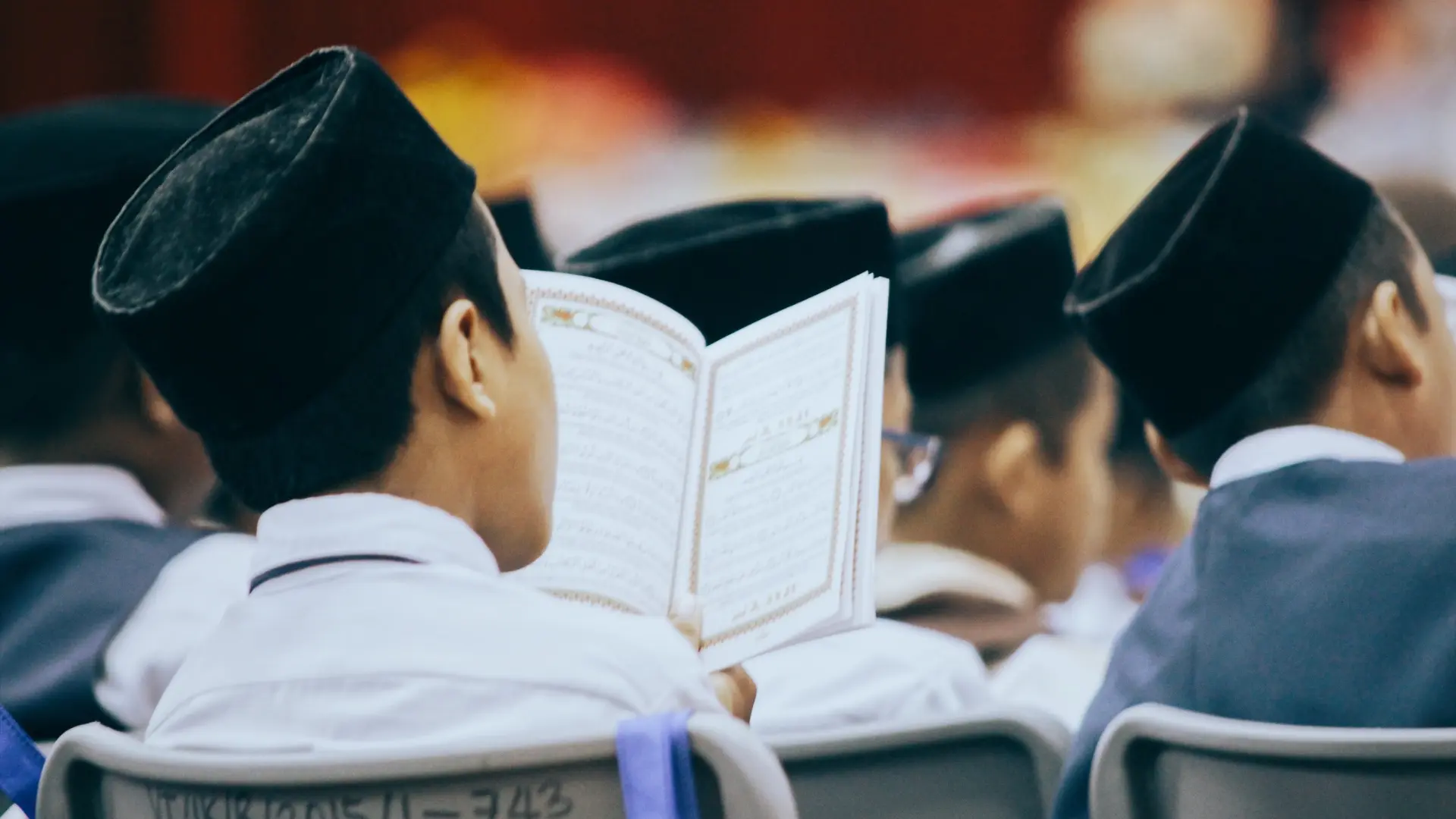
In today’s world, children grow up in a world filled with advanced technology and a wealth of information readily accessible at any time. This certainly has its positive aspects, such as facilitating learning and broadening horizons. However, on the other hand, it presents many challenges, particularly in maintaining their morals and personalities in line with Islamic teachings.
Religious education is crucial for guiding children through this modern era. By studying religion, they are taught not only the obligations of worship but also good morals, how to be honest, respect others, and have a sense of responsibility. These are essential provisions for them to live meaningful lives, both in this world and the hereafter.
As parents, we can start with small things. For example, inviting children to pray in congregation at home, reading the Quran together, or even simply talking about the stories of the Prophet. Children often enjoy listening to stories, especially when they are presented in an engaging way.
Furthermore, technology can also be used to support religious education. There are many Islamic apps, such as Tajweed learning apps or creatively packaged Islamic preaching videos for children. This way, children can be more interested in learning about religion without feeling bored.
Religious education is not solely the responsibility of parents; schools and the surrounding community also play a role. If all parties support each other, children will grow up with a strong religious foundation, enabling them to withstand negative external influences.
Educating children in Islam is not difficult if done consistently and with love. With Islamic values instilled in them, God willing, our children will grow into a generation with noble character, intelligence, and readiness to face the challenges of the times.
Today, children grow up in a world full of advanced technology and a variety of information that can be accessed at any time. This certainly has a positive side, such as making it easier to learn and broadening horizons. But, on the other hand, there are many challenges that must be faced, especially in maintaining their morals and personalities in order to remain in accordance with the teachings of Islam.
Religious education is very important to guide children through this modern era. By studying religion, they are not only taught about the obligation of worship, but also about good morals, how to be honest, respect others, and have a sense of responsibility. These things are very necessary provisions so that they can live a meaningful life, both in this world and in the hereafter.
As parents, we can start small. For example, invite children to pray together at home, read the Qur’an together, or even just by talking about the stories of the Prophet. Children are usually very happy to hear stories, especially if the story is told in an interesting way.
In addition, technology can also be used to support religious education. There are many Islamic applications, such as Tajweed learning applications or children’s da’wah videos that are creatively packaged. In this way, children can be more interested in studying religion without getting bored.
Religious education is not only the duty of parents, but also the role of schools and the surrounding environment. If all parties support each other, children will grow up with a strong religious foundation, so that they are able to face negative influences from outside.
Educating children in Islam is not difficult if done consistently and lovingly. With Islamic values embedded in them, God willing, our children will grow into a generation that is noble, intelligent, and ready to face the challenges of the Times.